


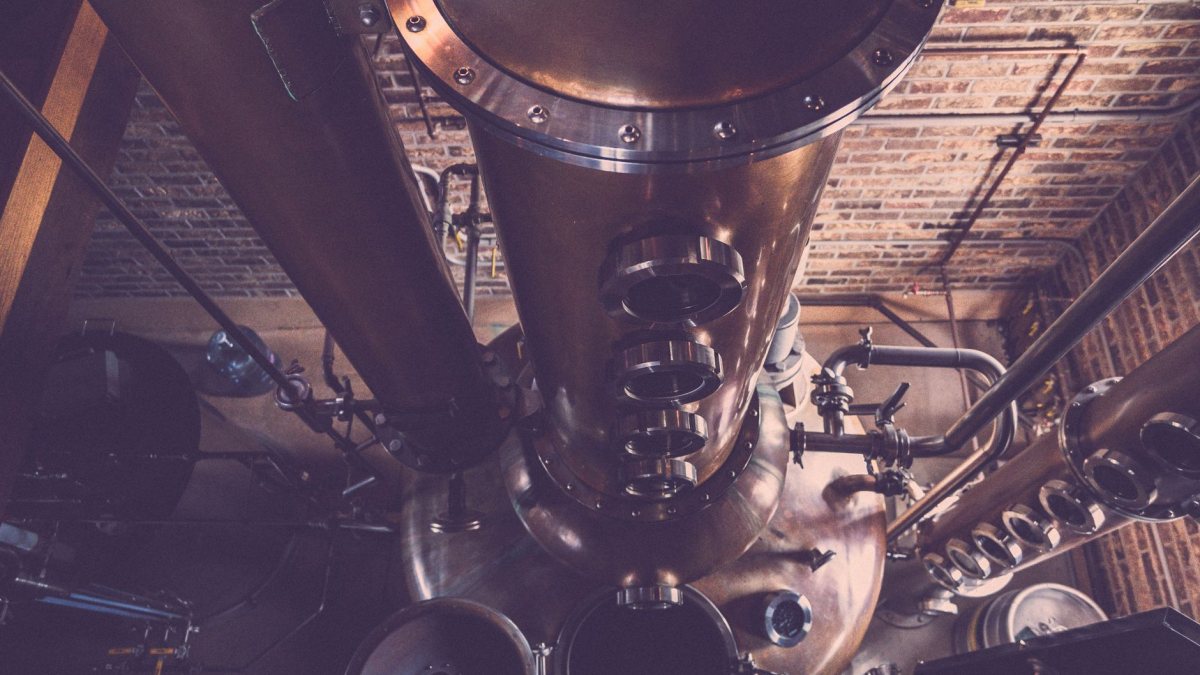
When exploring craft spirit producers, enthusiasts often look for unique production methods that distinguish a brand from mass-market offerings. The urban whiskey movement in the United States has introduced several distinctive names, with one notable operation situated in the industrial waterfront of Red Hook, Brooklyn. Understanding what drives the production style and profile of these spirits requires looking at both location and raw materials. For anyone researching the widow jane distillery, evaluating the background, sourcing transparency, and practical visitor details helps set realistic expectations for what is in the glass.
For individuals researching craft labels, evaluating the background, sourcing transparency, and practical visitor details helps set realistic expectations. This overview examines the core elements of the operation without relying on promotional hype, looking closely at how urban blending creates complex flavor profiles.
Table of Contents
The Origins and Location of Widow Jane
Positioned on Conover Street in Red Hook, Brooklyn, the production site operates out of a historic industrial neighborhood. Craft distilling in urban centers often relies on sourcing high-quality distillates from partner locations before executing the critical stages of blending, finishing, and proofing locally. The brand is well-known for its flagship 10-year-old bourbon, which brings together stocks from various origins.
Operations are guided by experienced blenders who manage barrel selection to achieve a consistent flavor profile across batches. Visitors to the Brooklyn space can typically arrange tours and tastings, though schedules and availability vary depending on the season and local updates. It is always best to consult the official website or contact the venue directly before planning a physical visit to the widow jane distillery tasting room.
Production Philosophy and Blending
Unlike traditional single-estate operations that grow and harvest all their own grain, urban blenders focus on the art of selection and marrying. By combining straight whiskeys aged for a minimum of a decade, producers can achieve complex flavor dimensions that balance sweet oak, spice, and mineral notes.
This approach gives master blenders the freedom to experiment with different mash bills and aging environments, ensuring that every small batch meets a strict sensory standard before bottling.
The Role of Rosendale Mines Water
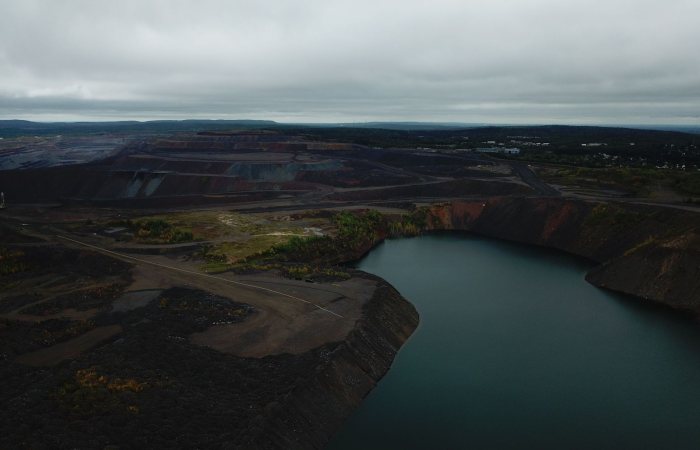
A defining characteristic often associated with the widow jane label is the water used during the reduction and proofing process. Water quality, mineral content, and pH levels play a vital role in how whiskey presents on the palate. The water utilized by the Brooklyn facility is sourced from the historic Rosendale Mines located in upstate New York.
These mines are famous for producing natural cement used in major nineteenth-century American infrastructure, but the surrounding geology also yields mineral-rich water. High concentrations of magnesium and calcium carbonate characterize this water source, which proponents argue imparts a distinct mouthfeel and minerality to the finished spirits.
Bringing this water down from upstate New York ensures a direct connection between the historic limestone geology of the region and the final proofing tank in Brooklyn.
Water Profile and Impact
The following table outlines how different elements of production contribute to the final character of craft spirits:
| Production Element | Source / Method | Primary Influence |
|---|---|---|
| Base Distillate | Sourced straight bourbons | Initial grain sugars and aging foundation |
| Proofing Water | Rosendale Mines, NY | Mineral structure and final mouthfeel |
| Cask Management | New American Oak | Color, tannin structure, and vanilla notes |
Frequently Asked Questions About the Distillery
Navigating craft spirits can raise various practical questions regarding availability, tours, and tasting notes. Below are answers to common inquiries about the widow jane distillery.
Where is the facility physically located?
The operational hub and tasting room are situated at 218 Conover Street in Red Hook, Brooklyn, New York.
What is the origin of the name?
The name draws inspiration from the historic Rosendale mines in upstate New York, which supplied the mineral-rich water utilized in proofing the spirits.
Are tours and tastings available for walk-ins?
While public tastings and guided tours are regularly scheduled on select days, availability changes. It is recommended to check official booking channels online prior to traveling to the neighborhood.
Ultimately, the widow jane distillery represents a fascinating intersection of historic New York geology and modern urban blending techniques. By paying close attention to water mineral content and careful barrel selection, the brand has carved out a distinct space within the broader craft beverage community, proving that location and sourcing are just as important as farming your own grain.
Related Guides
Explore more useful resources related to this topic: